EVAP Leak Code (P0455, P0456, P0442): Is It Just the Gas Cap?
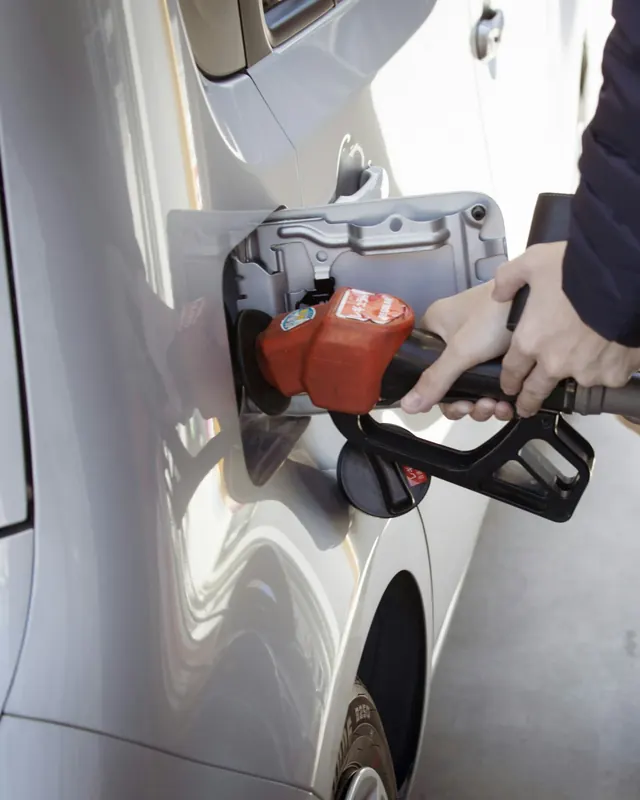
Photo: sippakorn yamkasikorn on Unsplash
On this page
The short answer
An EVAP code means the car found a leak or a fault in the system that traps gasoline vapor from the fuel tank. Start with the gas cap: make sure it's the right one, it isn't cracked, and it clicks when you tighten it. If the light is steady and the car runs normally, it's not an emergency, but if the code comes back after a few days of driving, have the system tested, because the cause is often a valve, a hose or a seal.
The check engine light came on, and the code reader at the parts store said something like P0455 or P0456: "evaporative emission system leak." The car drives fine. Here's what it means and what to check first.
What is the EVAP system?
The EVAP (evaporative emission) system keeps gasoline vapor from the fuel tank out of the air. Gas gives off vapor all the time, more so on a hot afternoon in the valley. Instead of venting it, the car stores it and burns it.
According to the EPA, cars use a charcoal canister to soak up the vapor. While the engine runs, the canister is purged now and then, and the stored vapor is drawn into the engine and burned as fuel. The main parts are:
- The gas cap (or a capless filler neck on newer cars), which seals the tank.
- The charcoal canister, usually near the tank, which holds the vapor.
- The purge valve, which opens to let vapor flow from the canister into the engine.
- The vent valve, which lets fresh air into the canister and closes when the system tests itself.
- Hoses, lines and a pressure sensor that tie it all together.
The engine computer checks this system for leaks on its own, either after the car has sat for a while or during steady driving, depending on the make. When it finds a leak or a valve that isn't doing its job, it stores a code and turns on the check engine light.
What do the EVAP codes mean?
The code tells you which kind of problem the computer saw, not which part failed. These are the common ones:
| Code | What it means | Common causes |
|---|---|---|
| P0455 | Large leak detected | Gas cap loose, missing or wrong; a disconnected or cracked hose |
| P0442 or P0456 | Small or very small leak detected | Worn gas cap seal, a pinhole in a hose, a leaking valve or canister |
| P0457 | Leak detected, fuel cap loose or off (not every car uses it) | Gas cap not tightened after refueling |
| P0441 | Incorrect purge flow | Purge valve stuck open or closed, a blocked line |
| P0440 or P0446 | System or vent control fault | Vent valve, its wiring, a clogged canister |
Some cars also set codes for the fuel tank pressure sensor, which the computer uses to measure leaks. Your car may show a message such as "check fuel cap" before or along with the light.
Is it just the gas cap?
Often, yes, especially with P0455 or P0457. The EPA's own example of the check engine light is a gas cap that wasn't tightened all the way after filling up: the system detects the vapor leak and turns the light on. Here's what to check:
- Is it on? A cap left on the pump island after a rushed fill-up will set this code.
- Is it tight? Turn it until it clicks. If it never clicks, the cap or its ratchet may be worn out.
- Is it the right cap? A generic replacement from a parts bin may not seal on your filler neck. Match it to your make and model.
- Is the seal OK? Look at the rubber ring under the cap. Cracks, flat spots or a piece missing mean it's time for a new cap.
- Is the filler neck clean? Dirt or a dent on the lip where the seal sits can keep it from sealing.
If you find something and fix it, give it time. The EPA says the computer turns the light off by itself once it checks the system three times in a row without finding the problem, and that after a gas cap is tightened the light should go out within a few days.
What else causes an EVAP leak?
If the cap is fine, or the light comes back, the leak is somewhere else in the system. These parts sit under the car or near the tank, where heat, road grit and age wear them out:
- Purge valve. A common failure. Stuck open, it can cause hard starts right after filling up and a rough idle for a moment. Stuck closed, it sets a purge flow code.
- Vent valve. It sits near the canister, close to the road, so dirt and water get to it. A vent stuck closed can make the gas pump click off over and over before the tank is full.
- Charcoal canister. It can crack or clog. Topping off the tank after the pump clicks off can push liquid fuel into the canister, which it isn't built for. Check your owner's manual; many tell you to stop at the first click.
- Hoses and lines. Rubber and plastic lines dry out and crack, and connectors can come loose after other work.
- Filler neck. On older cars, the metal neck can rust where the cap seals.
Finding a small leak usually takes a smoke test: the system is filled with harmless smoke under low pressure, and we look for where it comes out. Valves get tested with a scan tool that can open and close them on command.
Is it safe to drive with an EVAP code?
Usually, yes, in the short term. The EPA says a steady check engine light means the car needs service, not that you need to stop driving, and that you should still get it checked as soon as you can. An EVAP problem by itself rarely changes how the car runs.
There are good reasons not to let it sit, though:
- The light can hide something new. While it's on for a small EVAP leak, you won't notice when a misfire or another problem comes along.
- A fuel smell changes things. If you smell raw gas or see fuel dripping, don't keep driving it. Have it checked right away.
- Smog Check. California's Bureau of Automotive Repair says to get the vehicle repaired as soon as possible when the check engine light comes on, and not to wait for the next scheduled Smog Check.
A flashing light doesn't come from the EVAP system. The EPA describes it as a sign of a severe misfire: slow down and get it checked right away. Our check engine light guide covers what to do.
When to bring it in
Bring it in if the light comes back after you've checked the gas cap, if you smell fuel, if the car is hard to start right after filling up, or if the pump keeps clicking off before the tank is full. Bring it in sooner if your Smog Check is coming up.
Here's how we approach it at our shop: first we read the codes and the freeze-frame data (the conditions when the fault was stored), then check the gas cap and filler neck, then test the purge and vent valves with a scan tool, then smoke-test the system to find the leak. You get a written estimate before any repair work. You can read more about how we track down warning lights on our diagnostics page or book a visit.
Recent work like this at our shop
A few recent jobs from our service records. Vehicle, mileage and month only; no customer details.
| Vehicle | Work | Mileage | When |
|---|---|---|---|
| 2006 Chevrolet Avalanche | EVAP system repair | 151,636 mi | Mar 2026 |
| 2015 Chrysler 200 | EVAP system repair | 122,099 mi | Jan 2026 |
| 2023 Ford Edge | EVAP system repair | 82,431 mi | Nov 2025 |
| 2005 Lincoln Navigator | EVAP system repair | 137,948 mi | Mar 2025 |
| 2019 Lincoln MKZ | EVAP system repair | 54,091 mi | Feb 2025 |
Common questions
Can a loose gas cap cause a P0455 code?
Yes. P0455 is the code for a large leak in the evaporative system, and a cap that's loose, missing or not sealing is one of the most common reasons for it. Tighten it until it clicks and drive normally for a few days. If the light comes back, the leak is somewhere else.
How long does it take for the check engine light to go off after tightening the gas cap?
Usually a few days of normal driving. The EPA says the car turns the light off on its own once it checks the system three times in a row without finding the problem, and that after a gas cap is tightened the light should go out within a few days.
Is it safe to drive with an EVAP leak?
If the light is steady and the car runs normally, yes, in the short term. The EVAP system doesn't affect how the engine runs in most cases. Don't ignore it for months, though: the light stays on and hides any new problem, and you'll need it fixed before your next Smog Check.
Why does my car have trouble starting right after I fill up?
On many cars that's a sign of a purge valve that's stuck open. It lets fuel vapor flow into the engine while you're refueling, so the engine gets too much fuel at startup and cranks longer or runs rough for a moment. It often shows up along with an EVAP code.
Why does the gas pump keep clicking off before my tank is full?
Pump nozzles shut off when air can't escape the tank fast enough. If it happens at every station, the tank's vent path through the EVAP system may be blocked, for example by a clogged canister or a vent valve stuck closed. That needs a look on a lift.
Sources
More from the blog
Signs Your Car Battery Is Dying (and How to Tell It's Not the Alternator)
Slow cranking, clicking, dim lights or a battery light? The signs of a dying car battery, why heat wears them out here, and how to tell battery from alternator.
Check Engine Light On? What to Do and When to Stop Driving
Steady or flashing check engine light? What each one means, the gas cap check, what a code read does and doesn't tell you, and when to pull over.
Can Water Damage Your Car's Alternator?
Rain won't hurt it, but deep water can. Signs of a failing alternator after driving through a flooded street, what to do before restarting, and when to call us.