Do You Need to Warm Up Your Car Before Driving?
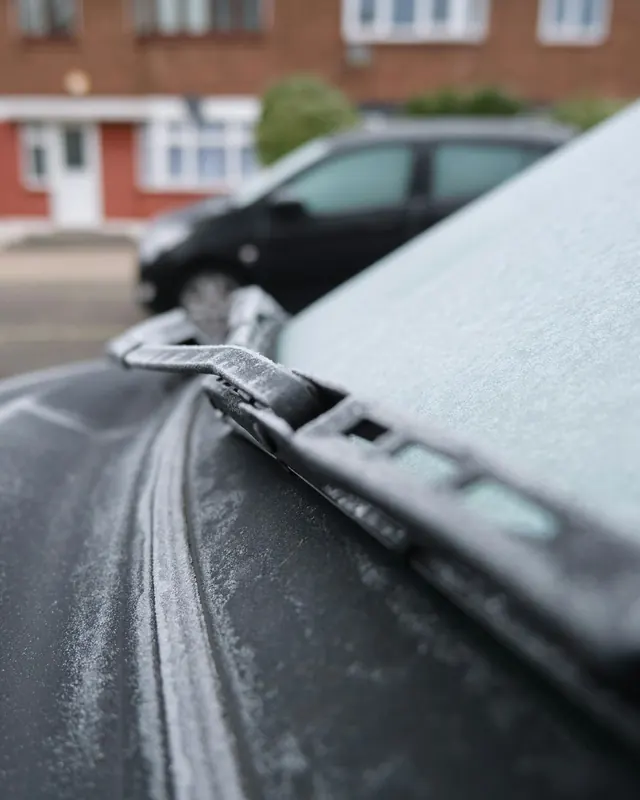
Photo: Ben Stein on Unsplash
On this page
The short answer
No. A modern fuel-injected car is ready to drive about 30 seconds after you start it. Drive gently for the first few minutes and the engine warms up faster than it would sitting in the driveway. The only reason to idle longer is to clear frost or fog from the glass so you can see.
On the first cold mornings of the year we always hear the same question: how long should I let the car warm up? Plenty of people learned to give it five or ten minutes. For any car built in the last 30-plus years, that advice is out of date. What actually helps on a cold start is simpler, and a few cold-morning symptoms are worth a closer look.
Do modern cars need to warm up?
Not really. A car with electronic fuel injection, which is practically every car on the road today, is ready to drive within about 30 seconds of starting. That's what fueleconomy.gov says most manufacturers recommend: drive off gently after about 30 seconds.
The National Park Service, which runs anti-idling programs in its parks, puts it plainly: the best way to warm up a vehicle is to drive it. Above freezing, no extra idling is needed. In Lake Elsinore, where a cold winter morning usually means the 30s or 40s, that covers almost every day of the year.
Why did people used to warm up their cars?
The habit is a holdover from carburetors. Before the late 1980s, most engines mixed fuel and air with a carburetor, which couldn't adjust well to cold air. A cold carbureted engine would stumble or stall until it warmed up, so letting it run for a few minutes made sense.
Fuel injection changed that. Sensors read the coolant and air temperature, and the engine computer adjusts the fuel for a cold start on its own. The car does its own warm-up routine in the first minute, which is why the idle runs a little high right after you start it.
Is idling bad for your engine?
Sitting in the driveway with the engine running has real downsides:
- It wastes fuel. Idling gets zero miles per gallon. The U.S. Department of Energy notes that idling more than about 10 seconds uses more fuel than shutting off and restarting.
- It warms the engine slowly. An idling engine makes very little heat. Driving puts a light load on it and brings it up to temperature, and gets your heater working, much sooner.
- It keeps the engine in its least efficient state longer. A cold engine runs a richer fuel mixture. Extra fuel that doesn't burn completely can thin the oil on the cylinder walls and leave deposits.
Only the engine warms up while you idle. The transmission, wheel bearings, tires and suspension don't warm up until the car is moving.
The right way to start on a cold morning
- Start the car and give it about 30 seconds.
- Clear the windows completely. This is the one good reason to idle longer: if frost or fog is blocking your view, wait until it's clear.
- Drive gently for the first five to ten minutes. Easy acceleration, no high revs, no towing hard until the temperature gauge moves off the bottom.
- Use the defroster with the A/C on to clear fog faster. The A/C dries the air.
Cold-morning problems that aren't normal
A cold start should be quick and fairly smooth. These are worth having checked:
- Slow cranking, a click, or dim dash lights when you turn the key. Usually a weak battery or a corroded cable.
- A rough idle, misfire or flashing check engine light that clears up once warm. Often spark plugs, an ignition coil or a sensor.
- Heat that takes forever, or never gets hot. A thermostat stuck open is a common cause.
- White smoke that keeps going after the engine is warm, or a sweet smell. That can mean coolant is getting where it shouldn't.
- A squeal for the first minute. Usually a worn or loose drive belt.
What about trucks, diesels and remote start?
Heavy-duty diesels are different. Many makers call for a short cool-down idle after towing or a hard pull; check your owner's manual. The National Park Service's guidance for light-duty vehicles covers both gas and diesel: in mild weather, about 30 seconds is enough.
Remote start is convenient on a frosty morning for clearing the glass. Just don't let it run for ten minutes out of habit. If the windows are clear, the car is ready.
When in doubt, your owner's manual has the final word for your engine.
When to bring it in
If the car is hard to start, idles rough when cold, or the heater doesn't warm up the way it used to, bring it in before the colder weeks of December and January. We'll test the battery and charging system, read any stored codes, and check the thermostat and engine for the cause, then walk you through what we found. If an oil change is due, the right oil viscosity for your engine also helps on cold starts.
Recent work like this at our shop
A few recent jobs from our service records. Vehicle, mileage and month only; no customer details.
| Vehicle | Work | Mileage | When |
|---|---|---|---|
| 2020 Ram 1500 | Thermostat | 108,493 mi | Jul 2026 |
| 2020 Cadillac XT6 | Thermostat | 47,722 mi | Jul 2026 |
| 2014 Infiniti Q50 | Thermostat | 140,443 mi | Jun 2026 |
| 2005 Nissan Frontier | Battery | 98,202 mi | Mar 2026 |
| 2021 Nissan Sentra | Spark plugs | 96,298 mi | Mar 2026 |
Common questions
How long should I let my car run before driving?
About 30 seconds is enough for most cars, which is what fueleconomy.gov says most manufacturers recommend. That's long enough for oil to circulate. Then drive gently, no hard acceleration or high revs, until the temperature gauge starts to climb.
Is it bad to idle a car for a long time?
Long idling wastes fuel and gets you nowhere. A cold engine runs a richer fuel mixture, and spending a long time in that state isn't doing the engine any favors. The U.S. Department of Energy notes that idling for more than about 10 seconds uses more fuel than restarting.
Do trucks and diesels need to warm up longer?
Light-duty diesels follow similar advice to gas engines in mild weather. Heavy-duty diesels and anything towing may call for a short warm-up or a cool-down idle after a hard pull. Check your owner's manual; it's the best guide for your engine.
Why does my car idle high when it's cold?
That's normal. The engine computer raises the idle for the first minute or two to warm the catalytic converter and smooth out the cold start. If it stays high after the engine is warm, have it checked.
Sources
More from the blog
Getting Your Car Ready for a Southern California Winter
Winter here means rain, cold mornings and trips to the snow. What to check on your battery, tires, wipers and coolant, plus Caltrans chain rules for Big Bear.
Why Are My Headlights Foggy, and How Do You Fix Them?
What turns plastic headlights cloudy and yellow, how much light you lose, whether restoration kits work, and when a new headlight is the better answer.
Days Are Getting Shorter. Check Your Headlights and Wipers Now
Daylight saving time ends Nov 1. A five-minute check of your headlights, signals and wiper blades, and the California rule on headlights in the rain.