Bad Thermostat Symptoms: Stuck Open vs Stuck Closed
Photo: Ryno Marais on Unsplash
On this page
- The short answer
- What does a car thermostat do?
- What are the symptoms of a bad thermostat?
- What happens when a thermostat is stuck closed?
- What happens when a thermostat is stuck open?
- What else can look like a bad thermostat?
- Why is the thermostat often replaced with a coolant service?
- When to bring it in
- Recent work like this
- Common questions
The short answer
A thermostat usually fails one of two ways. Stuck closed, coolant can't reach the radiator and the engine overheats, sometimes quickly, so pull over and don't keep driving. Stuck open, the engine runs too cool: the gauge stays low, the heater blows lukewarm, mileage drops and the check engine light may show code P0128. That one isn't an emergency, but it's worth fixing soon.
Your temperature gauge is doing something it didn't used to: sitting near cold for the whole drive, or racing toward hot on a short trip. Maybe the heater only blows lukewarm air on a cold morning. All of those can point to the thermostat, a small valve that decides when coolant goes to the radiator. Here's how to tell which way it failed, how urgent it is, and what else can look the same.
What does a car thermostat do?
The thermostat is a valve between the engine and the radiator. When the engine is cold, it stays closed so the engine warms up quickly. Once the engine is warm, it opens and lets coolant flow to the radiator to shed heat. AAA describes it as the part that regulates coolant flow, opening and closing based on engine temperature.
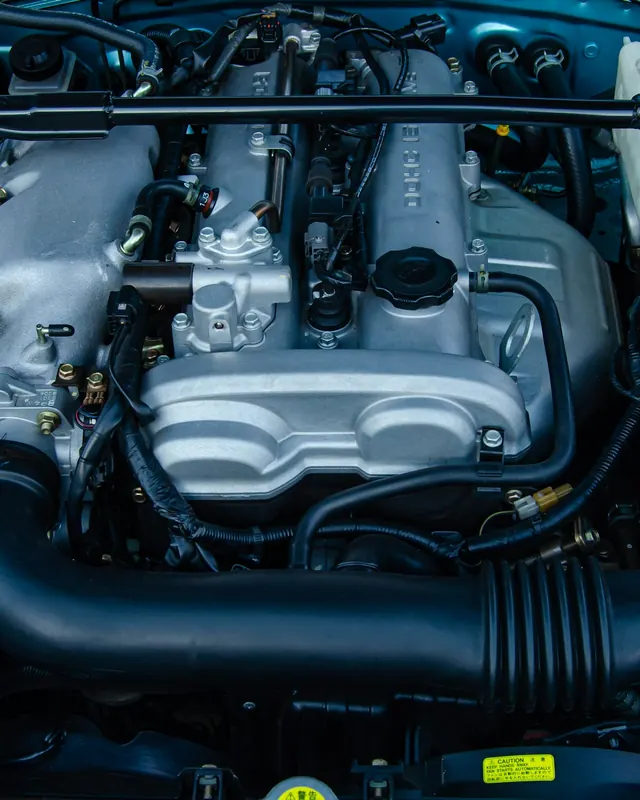
It sits under a metal or plastic housing where one of the radiator hoses meets the engine, often the upper hose. Inside is a spring and a wax pellet that expands with heat. Over time the spring weakens or the valve sticks, and that's when the symptoms start.
What are the symptoms of a bad thermostat?
The symptoms depend on whether it sticks closed or sticks open. They're almost opposites, so the gauge is your best clue.
| What you notice | Usually points to |
|---|---|
| Gauge climbs fast toward hot, even on short drives | Stuck closed: stop driving |
| Gauge stays low or takes a long time to rise | Stuck open: fix soon |
| Heater blows lukewarm and is slow to warm up | Stuck open (or low coolant) |
| Check engine light with code P0128 | Stuck open, or a sensor problem |
| Fuel economy drops for no other reason | Stuck open |
A few other signs worth knowing:
- A gauge that swings. A thermostat that sticks and frees up can make the needle jump up and then fall back to normal.
- A thumping sound when the engine is hot. AAA says that when a thermostat holds coolant in too long, you may hear thumping as boiling coolant mixes with cooler liquid.
- Coolant around the housing. The gasket under the thermostat housing can seep. Look for crusty residue or a damp spot around the thermostat housing.
What happens when a thermostat is stuck closed?
Coolant can't get to the radiator, so the engine has no way to get rid of its heat. AAA lists a thermostat that fails to open as one of eight common causes of overheating. On a stuck-closed thermostat, the gauge often climbs within the first few miles, even on a mild day.
This is the urgent one. Turn off the A/C, turn the heater on full and get to a safe place to stop. Our post on what to do when your car is overheating walks through the first few minutes step by step, including why you should never open a hot radiator cap.
One caution from AAA: the temperature gauge warning only works if the thermostat is working. If you see steam, smell hot coolant or hear thumping, pull over even if the needle looks normal.
What happens when a thermostat is stuck open?
Coolant goes to the radiator all the time, even when the engine is cold, so the engine never fully warms up. Edmunds lists the common signs of code P0128: lower than normal temperature readings, a heater that doesn't work well, higher fuel use and a check engine light.
Fuel economy suffers because an engine has a temperature where it runs most efficiently. The Department of Energy's fueleconomy.gov notes that in cold weather it takes longer for an engine to reach that temperature. A thermostat stuck open keeps the engine short of it on every drive.
It isn't an emergency the way overheating is. Edmunds says a short drive with P0128 is generally safe, but not to ignore it for long. In winter there's a practical reason too: weak heat means a slow defroster, and a fogged windshield on a cold morning is a real problem. If you've noticed the heat taking longer than it used to, our post on warming up your car explains what's normal and what isn't.
What else can look like a bad thermostat?
Several problems cause the same symptoms, which is why a thermostat shouldn't be replaced on a guess:
- Low coolant. Weak heat and a jumpy gauge are classic low-coolant signs, and low coolant usually means a leak somewhere.
- A bad coolant temperature sensor. It can feed the gauge or the engine computer a wrong reading. Edmunds lists it as a possible cause of P0128.
- Air trapped in the system after a repair or a top-off, which can block flow to the heater.
- A cooling fan that isn't running, which causes overheating mostly in stop-and-go traffic.
- A failing water pump or a damaged radiator, which AAA lists alongside the thermostat as causes of overheating.
What you can check yourself: with the engine cold, look at the coolant reservoir and make sure the level is between the marks. Look under the car for drips. Pay attention to how long the heater takes to get warm. Don't open the radiator cap on a warm engine, and leave anything past that to a shop with a lift and a scan tool.
Why is the thermostat often replaced with a coolant service?
When the thermostat housing comes off, some coolant comes out, and the system has to be refilled and bled of air afterward. AAA's advice is to change coolant on the schedule in your owner's manual. If yours is due or close, it makes sense to do both while the system is already open. If the coolant is fresh, we just top it off with the right type and bleed the air out.
When to bring it in
If the gauge climbs toward hot, stop driving and let it cool, and have it towed if it overheats again rather than driving it to the shop. If the symptoms point to stuck open (low gauge, weak heat, P0128), book a visit soon, ideally before the colder mornings in December and January.
Here's what we check, in order:
- Read the codes and look at live data from the coolant temperature sensor while the engine warms up. That tells us whether the thermostat opens when it should.
- Check the coolant level and condition, and pressure test the system for leaks.
- Check the cooling fan, radiator and water pump if the car is running hot.
- Give you a written estimate before any work starts.
If it's the thermostat, we replace it, refill and bleed the system, and confirm the engine reaches and holds normal temperature. You can read more about our engine and cooling system repair, or book a diagnostic if you're not sure where the problem is. Our repairs carry a 1-year/12,000-mile warranty.
Recent work like this at our shop
A few recent jobs from our service records. Vehicle, mileage and month only; no customer details.
| Vehicle | Work | Mileage | When |
|---|---|---|---|
| 2005 Honda Accord | Cooling system flush | 134,388 mi | Jul 2026 |
| 2006 Toyota Tundra | Cooling system flush | 132,488 mi | Jul 2026 |
| 2020 Ram 1500 | Thermostat, Water pump | 108,493 mi | Jul 2026 |
| 2020 Cadillac XT6 | Thermostat | 47,722 mi | Jul 2026 |
| 2014 Infiniti Q50 | Thermostat, Cooling system flush | 140,443 mi | Jun 2026 |
Common questions
Can I drive with a bad thermostat?
It depends on how it failed. If it's stuck closed and the engine is running hot, only drive as far as a safe place to stop, because overheating can damage the engine. If it's stuck open, Edmunds says a short drive with code P0128 is generally safe, but Edmunds says not to ignore it for long.
What does code P0128 mean?
P0128 means the engine's coolant didn't warm up to the temperature the computer expects within a set time. A thermostat stuck open is the most common reason, but Edmunds also lists a faulty coolant temperature sensor, low coolant and wiring problems, so the code alone doesn't prove the thermostat is bad.
Why is my car heater blowing cold air?
The heater uses hot coolant from the engine, so anything that keeps coolant from getting hot or reaching the heater shows up as weak heat. A thermostat stuck open is a common cause. Low coolant is another, and that usually means a leak, so check the reservoir with the engine cold.
Should the coolant be changed when the thermostat is replaced?
Often it makes sense. Some coolant comes out when the thermostat housing is opened, and the system has to be refilled and bled of air either way. If the coolant is near the change interval in your owner's manual, doing both at once saves draining the system twice.
Can a bad thermostat cause overheating only sometimes?
Yes. A thermostat that sticks and frees up again can make the gauge climb, then drop back to normal. Low coolant and air trapped in the system can act the same way, which is why we check those before replacing parts.
Sources
More from the blog
Why Is My Car's A/C Blowing Warm Air?
Car A/C blowing warm air? Common causes, from a refrigerant leak to a compressor that won't engage, what you can check yourself and why a recharge is not the fix.
Car Overheating? What to Do Right Away (and What Not to Do)
Temperature gauge climbing or steam from the hood? What to do in the first minute, why the heater helps, why not to open a hot radiator cap and when to tow it.
Why Does My Steering Wheel Shake at Highway Speed?
Steering wheel shakes on the freeway but smooths out when you slow down? The usual causes, what you can check yourself and when it's not safe to drive.